
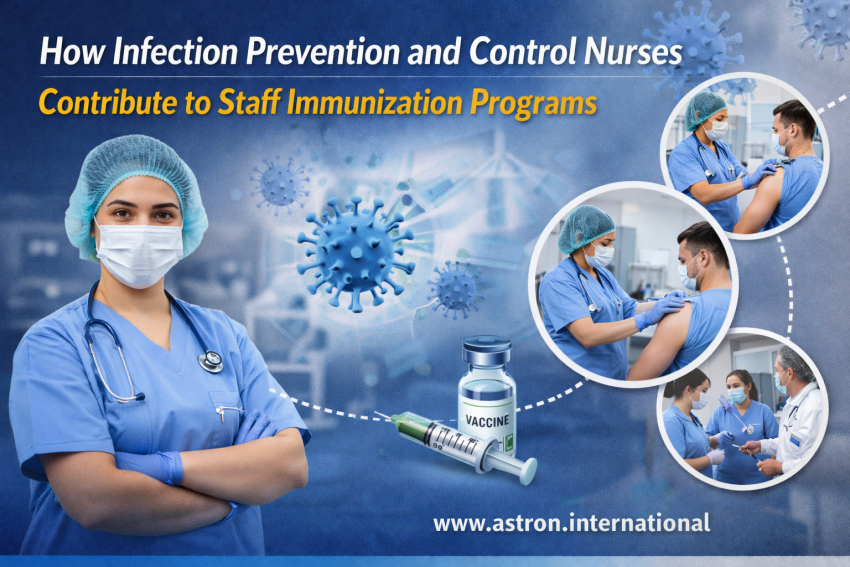
Medical personnel are in constant contact with patients and are therefore at all times exposed to various infections. Hospitals implement powerful immunization initiatives to ensure that the staff and patients are safe. These initiatives make sure that healthcare workers are covered against the preventable illnesses. The infection prevention and control nurse is at the centre of these activities, and he is involved in planning, monitoring, and supporting the vaccination programs throughout the facility.
Why Staff Immunization Is Important in Healthcare
Hospitals are risky places where, in case preventive measures are not taken, the infection spreads rapidly. A staff that is vaccinated will have a reduced chance of getting infected and being able to transmit infections to patients. The role of the infection prevention and control nurse is significant in ensuring the high rate of vaccination awareness and coverage within the departments. Their participation aids in ensuring a safer environment to all people in the hospital.
Planning and Organizing Vaccination Programs
An effective immunization program needs to be planned. The infection prevention and control nurse collaborates with the hospital management and medical teams to determine the type of vaccines that are needed by different staff positions. As an illustration, employees in hazardous locations might require more security. They assist in making vaccination schedules, campaign organization, and in making vaccines accessible at the right time.
Maintaining Accurate Vaccination Records
It is very important to monitor the people who have been vaccinated and those who require booster injections. The nurse in charge of infection prevention and control keeps extensive records of the staff members in terms of vaccinations. This will contribute to the fact that no one will skip critical doses. Adequate documentation also assists hospitals in remaining at par with health standards as well as safety standards.
Educating Staff about Vaccine Importance
A number of healthcare workers might also be worried or not be aware of some vaccines. The infection prevention and control nurse carries out awareness programs to sensitize on how vaccines can save the lives of staff and patients. They also offer easy and clear information on vaccine safety, advantages and potential side effects. This will assist in gaining confidence and increase immunization programs.
Monitoring Vaccine Compliance and Coverage
Having staff adhere to immunization schedules is an on-going endeavor. The nurse in the infection prevention and control department is involved with monitoring the level of coverage of vaccinations within the different departments. When they identify any gaps, they liaise with the department heads to persuade future employees to vaccinate. This periodic follow-up will give high immunity among the hospital workers.
Managing Vaccination During Outbreak Situations
Even in the times of outbreaks or seasonal peaks of the infection, vaccination is even more important. The nurse in charge of preventing and controlling infections assists the hospitals to react swiftly and in case of need, arrange an urgent vaccination drive. Their rapid response can minimize the risk of infection among the personnel and avoid its further propagation in the institution.
Coordinating with Occupational Health Teams
The immunization programs usually demand collaboration between the infection control teams and occupational health departments. These efforts are well coordinated by the infection prevention and control nurse. They make sure that the vaccines are kept in a good state, administered, and documented appropriately. This collaboration enhances the general infection prevention process of the hospital.
Conclusion
Immunization of hospital staff is one of the essential components of hospital safety and infection prevention. The infection prevention and control nurse contributes significantly to the organization of the vaccination drive, staff education, record keeping and adherence. Their active approach enables the safety of healthcare professionals as well as safer patient treatment. They contribute to a healthy and safer healthcare environment by enhancing immunization efforts among all the people.