
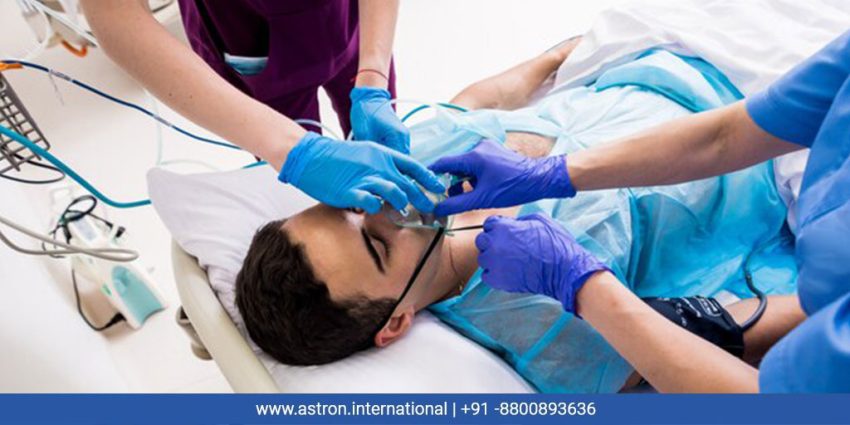
In the complex and fast-paced environment of modern healthcare, surgeries and medical procedures require seamless teamwork, precision, and safety. Among the professionals who make this possible, the anaesthesia technician plays a vital yet often underappreciated role. These skilled healthcare professionals work alongside anesthesiologists and surgeons to ensure that patients receive safe and effective anesthesia care before, during, and after surgical procedures.
Who Is an Anaesthesia Technician?
An anaesthesia technician is one of the certified medical practitioners who provide the anesthesiologist with assistance in administering anesthesia and operating the equipment involved in the execution of surgery. Their knowledge makes the anesthesia procedure to be smooth, safe and efficient. They play a critical role in the success of any surgery; their role goes beyond equipment preparation to the task of monitoring patients.
Key Roles of an Anaesthesia Technician
Preparation of Equipment and Supplies
An anaesthesia technician make sure that the equipment required to be used in the surgery is sterilized, calibrated and in proper condition prior to the commencement of the surgery. These are anesthesia machines, ventilators, breathing circuits and monitoring devices. They verify gas supplies, machine functionality and prepare drugs or fluids as per the direction of anesthesiologist. This is because of their attention to detail that avoids any mistake and patient safety.
Assisting in Anesthesia Administration
The anaesthesia technician also helps the anesthesiologist administers anesthesia during surgical procedures. This could include placing intravenous lines, putting up monitors and preparing the appropriate dosage of anesthetic medication. They do not make decisions or provide anesthesia by their own means but their technical support allows the anesthesiologist to concentrate on the patient and the decision-making process.
Patient Monitoring and Support
After anesthesia, it is important to monitor the vital signs of the patient. Nurse anaesthesia technicians constantly monitor the heart rate, oxygen levels, blood pressure and respiration rates with sophisticated monitoring devices. They report on any irregularities to the anesthesiologist immediately and these aids in keeping patients stable during the surgery.
Maintenance and Troubleshooting of Equipment
The contemporary operating rooms are operated under the supervision of complex machines that need to be maintained. The duty of anaesthesia technicians is to clean, maintain and trouble shoot equipment. They sterilize the instruments, change the parts that have been used after every procedure and also make sure that all the devices are in proper working conditions before the next operation.
Assisting in Postoperative Care
Patients are slowly awakened after surgery under anesthesia. The anaesthesia technician aids in the recovery monitoring by making sure that the patient is brought to consciousness in a safe and comfortable manner. They can also be useful in moving patients to recovery rooms and record anesthesia information to medical records.
Emergency Support
Anaesthesia technicians are fast in actions in case of cardiac arrests or unexpected equipment malfunctions, and they are able to assist medical teams. They are trained in resuscitation and are well acquainted with life-support equipment and therefore are useful during emergency situations.
The Growing Importance of Anaesthesia Technicians
The medical technology is growing and as such, the scope of anaesthesia technician is also rising. The state-of-the-art healthcare centers rely on their experience to ensure acceptable safety levels, enhance efficiency, and promote complicated surgical operations. Their expertise level coupled with their duties of taking care of the patients has rendered them invaluable players in the surgical group.
Conclusion
The anaesthesia technician is essential in making sure that surgical procedure is undertaken safely, efficiently, and without any hitches. Their support in equipments preparation and the assistance of the patients during the anesthesia process is crucial to all the processes of the surgery. Anaesthesia technicians are critical workers in the changing landscape of modern healthcare integrating exactness and caring tendencies, with indelible effects on patient health.