
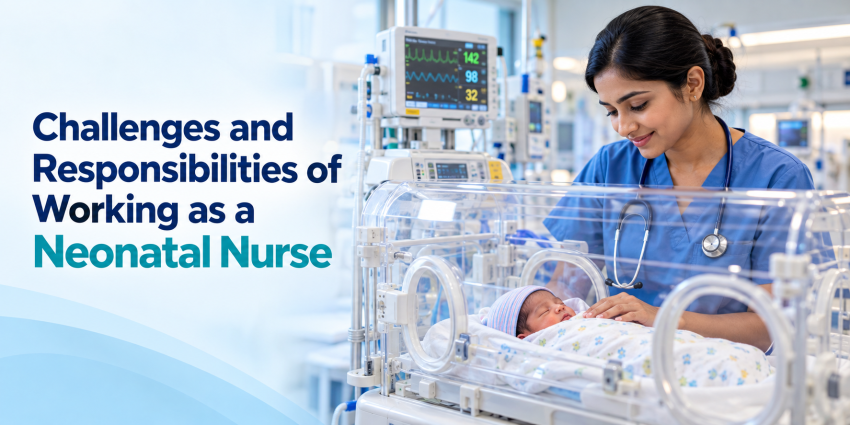
Precise, patient care of newborns needing special medical care demands constant observation. A neonatal nurse specializes in caring for premature and low birth weight babies, as well as infants who need intensive medical attention. Neonatal nursing is a specialized type of healthcare, as the role involves both clinical duties and communication and family support.
Monitoring Fragile Newborns
One of the most important duties of a neonatal nurse is to closely monitor a baby’s condition. Vital signs of the baby’s heart rate, breathing, oxygenation, temperature and other signs may need to be closely monitored at all times in a NICU.
The neonatal nurse needs to be aware of alterations in the child’s condition and alert the broader healthcare team in a timely way. Closely observe newborns as they may not exhibit obvious signs of deterioration.
Ensure proper feeding and nutrition
Premature babies or babies with medical problems may not be able to feed themselves easily. They might need special feeding techniques or nutrition assistance, depending on their condition.
Neonatal nurse assists with feeding schedules, checks for tolerance and watches for signs of hydration and weight gain. Proper nutrition is a critical component of hospital care for the newborn.
Having a Safe Care Environment
Infants in intensive care may have compromised immune systems and be susceptible to environmental stress. Neonatal nurses practice good hygiene and infection control when caring for infants and equipment.
Depending on the baby’s medical needs, temperature and humidity levels also may need to be monitored carefully. Controlled environment helps to support the newborn in the meantime of receiving other treatments.
Dealing with emotionally challenging situations
Newborn nursing may be a tough emotional undertaking. Nurses can provide care to children with more serious medical issues while parents and families are in a position of uncertainty and stress.
Clear and compassionate communication is a key element of the job. Nurses can provide explanations of routine care, answer questions within their scope and assist parents to understand how they can be involved in their baby’s care.
Being a member of a Multidisciplinary Team
Neonatal care requires the work of neonatal nurses, neonatal doctors, paediatric doctors, respiratory therapists, dietitians and other healthcare professionals. A neonatal nurse makes continuous observations while caring for the baby and provides assistance to ensure coordination of various parts of the baby’s day to day management.
Good documentation and handover is also critical especially when multiple professionals are caring for a newborn.
Handling High-Pressure Decisions
Neonatal units may present with rapidly changing clinical situations. Nurses should be vigilant and adhere to the protocols followed when responding to evolving observations and treatment needs.
They need to have a high level of clinical knowledge, and detail orientated with the ability to communicate effectively under pressure. Continuing education is important too, since neonatal practices, equipment and clinical guidelines evolve over time.
Creating Balance between Technical Care and Compassion
A neonatal nurse’s role is not just to oversee the equipment and provide treatments as ordered. This position is responsible for the care and safety of fragile newborns, assisting families, and participating in the interdisciplinary care of neonates.
While the setting may be challenging, neonatal nursing is a crucial role in the care of infants who require special care in the first few weeks of life. A combination of clinical competence, careful observation, teamwork and compassionate communication is central to the profession.