
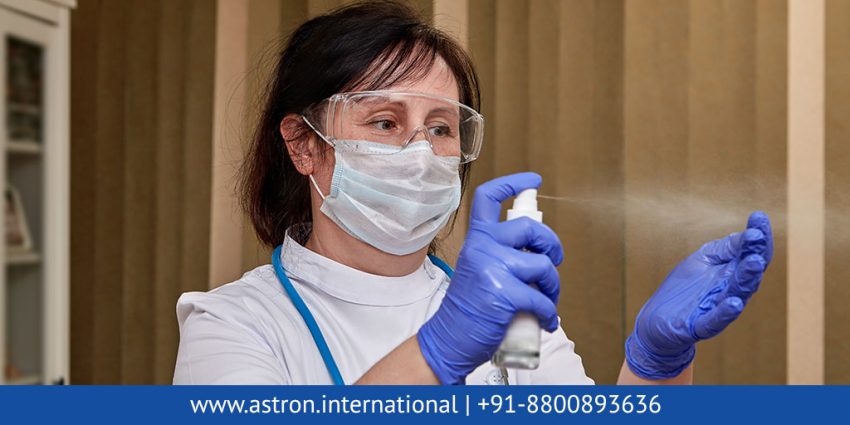
One of the most critical tasks to be carried out in a healthcare facility is safe medical waste management. It safeguards patient, staff, visitor and the general environment against unnecessary risks. The infection prevention and control nurse is in the center stage in most hospitals and he/she ensures that all the steps taken such as waste segregation, final disposal etc. occur in a safe and responsible manner. Their efforts might not be easily noticed, but they have a direct impact on a safer healthcare setting among all people.
Why Proper Waste Management Matters
Hospitals produce various types of waste materials on a daily basis, some of which are used dressings, sharps, disposable equipment, and contaminated materials. Otherwise, this waste may lead to the emergence of risks of infections and damage not only to staff but also to the community. It is in this area that the knowledge of the infection prevention and control nurse will be necessary. They ensure that the facility abides by all the safety regulations and mitigate the possibility of an infection by poor handling of waste.
Ensuring Correct Segregation at the Source
The management of waste at a safe level starts at the waste generation point. The nurse in charge of the prevention and control of infections educates the doctors, nurses and support staff on proper separation of various types of waste. They make sure that no one forgets about the items to be placed into which color controlled container and why that segregation is required. Their advice assists the whole hospital staff in avoiding the accidental contamination of general waste with infectious waste and this is one of the greatest risks in the day-to-day operations.
Training Staff to Handle Sharps Safely
The handling and disposal of needles and blades and other sharp objects is one of the most important aspects of the medical waste management. Nurse in charge of infection prevention and control holds regular classes on how puncture-proof containers are used and why sharps should never be barely full or unattended. In this training, there are reduced possibilities of injuries that may expose the staff to infections. They make sure that all people are aware and observe the safe practices to ensure that a safe environment is maintained within the clinical departments.
Monitoring Hospital Compliance
The safe management of medical waste is provisioned to a good extent through daily monitoring. The infection prevention and control nurse goes on regular rounds to ensure that waste bins are correctly labeled, placed in the appropriate locations and are used correctly. They pay attention to whether their staffs are wearing gloves, masks, and aprons when dealing with wastes. This is because they are constantly checked, so minor errors can be corrected before they develop into larger issues and also it enhances safe behaviors in the facility.
Creating Clear and Practical Guidelines
Several rules are used in the waste management in hospitals, although, they must be provided in a straightforward manner that will ensure that the entire staff understands them and adheres to the code. This is the other point where the role of infection prevention and control nurse is important. They assist in making simple to follow posters, charts and guidelines to each department. These posters help the doctors, nurses, and even new employees to dispose of the waste correctly without any misunderstandings.
Coordinating with Waste Disposal Agencies
The medical waste does not stop its path within the hospital premises. It should be safely carried and dumped by the authorized bodies. The infection prevention and control nurse would collaborate with these agencies to ensure the waste is safely disposed of out of the hospital and to the disposal site without any harm to individuals or the environment. This is because their coordination is such that the hospital does not stop its duty of care past its walls.
Conclusion
Safe medical waste management is a shared responsibility, but the guiding force behind its success is often the infection prevention and control nurse. Through training, monitoring, coordination, and constant awareness, they ensure that every step of handling medical waste is done safely. Their work not only protects the hospital community but also contributes to broader public health and environmental wellbeing.