
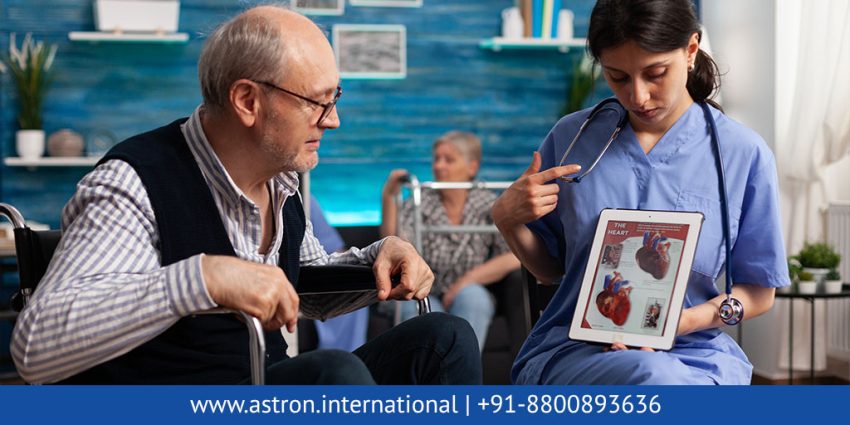
Geriatric caregivers are being given utmost importance as families seek better means to take care of their ageing parents and grandparents. The geriatric care course assists the learners in understanding the physical, emotional, and social requirements of the elderly. It combines caring and technical prowess in such a way that caregivers are able to take care of seniors with confidence. Being a professional in providing care or just taking care of an aged relative at home, the education provided in geriatric care course develops the appropriate background in the wellbeing of the elderly.
Understanding the Ageing Process
The initial big requirement of a geriatric care course is learning the influence of ageing on the body and the mind. The students learn to be aware of typical age-related changes, including reduced mobility, less powerful muscles, slower reflexes, memory problems, and sensitivity to drugs. This information assists caregivers to act appropriately and rationally to various circumstances. With an appreciation of the ageing process, the caregivers are able to provide the seniors with a safer and more comfortable environment.
Safe Mobility and Daily Assistance
Helping the geriatric patient with day to day activities is among the most vital aspects of care giving. The geriatric care course educates the elderly on safe mobility skills to enable them to rise out of bed, sit and walk, climb stairs or mobility aids with no danger of falling. The learners also acquire the ability to help with eating, bathing, grooming, and dressing. It is not only about doing the job but also doing it with decency and patience.
Basic Health Monitoring
The caregivers who have been trained based on a geriatric course also get to know how to check the basic health signs. This involves measuring blood pressure, pulse, temperature, respiration and blood sugar levels where necessary. This type of monitoring assists in identifying red flags of inconveniences or health conditions. Another aspect that caregivers are trained to do is to keep clear records so that the families and doctors can monitor the health of an elderly person in the long run.
Medication Support and Safety
A significant proportion of the elderly have a variety of medicines. It is of importance to handle such medicines properly in order to be safe. A geriatric care course will explain how to systematise drugs, how to know the dosage, and how to know the side effects. Caregivers also get to know how to report to doctors or other relatives in case they observe any changes after administration of a new medication. This ensures the safety of the elderly and avoids errors.
Communication and Emotional Support
One of the key components of the elderly care is compassion. A course in geriatric care will educate the learners on the skill of communicating in an empathetic and patient manner. The elderly can get lonely, nervous, or frustrated with the change in health. Well behaved caregivers are also able to listen, be comforting and establish trust. The training will also involve the support of seniors with memory or mild cognitive impairments using easy-to-converse methods and mental challenges.
Nutrition and Meal Planning
Proper nutrition is highly relevant in the elderly wellbeing. Students are taught to prepare meals that are simple to digest, healthy, and appropriate to their health related conditions. Caregivers are also aware of how hydration, balanced diet, and meal timing can be used to keep the energy levels up as well as avoiding complications.
Emergency Response Skills
A geriatric care course entails the elementary emergency management in order to empower caregivers to react in a relaxed manner in case of unforeseen situations. They get to know how to identify distress, basic first aid and seek the appropriate medical assistance in a timely manner. This will offer hope to the elderly and their relatives.
Conclusion
Above all, a geriatric care course emphasizes the importance of respect. Raising the elderly is not just a matter of skills, it is also a matter of knowing their life story, hearing their narrative, and their respect. The course helps the learners to form the relationship that will make the seniors feel appreciated and cared about.