
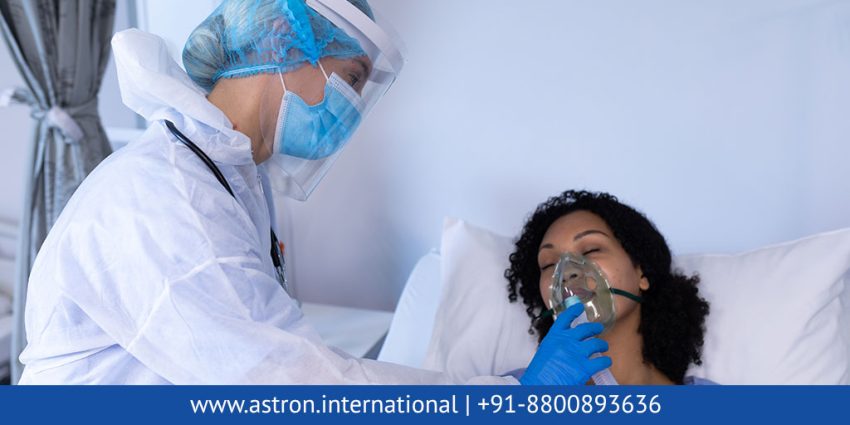
Respiratory health has become a major focus in healthcare, especially with the rise of chronic lung diseases, pollution-related illnesses, and global viral outbreaks. Modern respiratory care technology plays a crucial role in diagnosing, monitoring, and treating breathing disorders; ensuring patients receive accurate and timely care. Alongside these advancements, respiratory care technicians have emerged as essential professionals who operate this equipment, support physicians, and guide patients through critical treatments.
Advancements in Modern Respiratory Care Technology
Technology in respiratory care has changed radically and it presents equipment that is beneficial to the comfort of the patient and the accuracy of the treatment. Ventilator systems have been one of the greatest improvements. The modern ventilators are equipped with intelligent sensors, adaptive pressure, and inbuilt monitoring systems that make automatic changes to the breathing needs of a patient. This will improve the prevention of complications and quicker recovery, particularly in critical care units.
Non-invasive ventilation (NIV) equipment includes BiPAP and CPAP machines, which is another significant innovation. They are also effective in terms of respiratory support without intubation, which makes such machines perfect in the treatment of such conditions as sleep apnea, COPD, and respiratory distress. Home care has also undergone the portable oxygen concentrator that provides portable, lightweight, and user-friendly equipment that enables the patient to remain active whilst in oxygen therapy.
State-of-the-art diagnostics methods, including spirometers, capnography units, pulse oximeters, and others, enable medical staff to assess lung function with a high level of accuracy. Live information that can be obtained by these instruments can assist the physicians to make prompt decisions, particularly in cases of emergency. Also, digital respiratory monitors with mobile applications can enable constant monitoring of symptoms, which promote telemedicine and long-distance care.
The Vital Role of Respiratory Care Technicians
The knowledge of respiratory care technicians is behind this technology: qualified specialists, who are trained to operate respiratory devices, provide assistance during the treatment process, and make the therapies safe and effective. They start with the evaluation of respiratory needs of the patient and selecting the right equipment. They install ventilators, calibrate machines, administer oxygen therapy, and check the results of patients in the course of treatment.
It is also the role of the respiratory care technicians to perform some basic diagnostic tests. They carry out tests of spirometry to evaluate the lung functions, oxygen concentration and aid doctors to interpret the outcomes. This is their capacity to manage emergencies. In situations of respiratory distress or acute degradation, technicians respond swiftly and modify ventilator, airway clearance, or life-saving procedures.
They also play a major role in education and guiding their patients. A large number of patients who use NIV devices or oxygen concentrators should be trained to handle it properly. Technicians educate patients on the proper use of equipment and hygiene and recognize the possible warning signs that should be reported to a doctor. This patient care approach can improve the results of treatment and form confidence in the long-term care.
Ensuring Safety and High-Quality Care
Equipment safety and compliance are also ensured by the respiratory care technicians. They perform regular machine inspection, sterilization, and observe the high standards of infections prevention. They are quite diligent in their work and thus the patients are given good and continuous respiratory support.
Conclusion
The contemporary technology on respiratory care has transformed the manner in which medical practitioners diagnose and treat respiratory disorders. But it is the hands that use the technology that make it effective. Respiratory care technicians are the ones who are critical to make sure that such improvements result in improved patient outcomes. Combined, they constitute the foundation of successful respiratory care in the modern day healthcare setting