
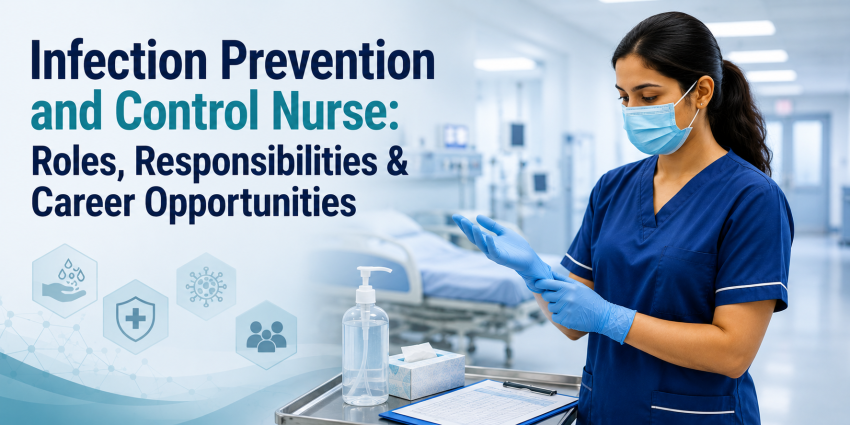
Infection control is vital for maintaining safety within healthcare facilities since the patients, healthcare providers, and visitors can be put at risk if such measures are not observed. Infection Prevention and Control Nurse is essential for decreasing cases of healthcare-related infections through following proper safety protocols and training healthcare workers about best practices. The field of nursing has great career opportunities due to increasing emphasis on safety within hospitals.
What Does This Nursing Specialty Involve?
The infection control nurse is concerned with recognizing, preventing, and controlling infections in the health care setting. This includes clinical skills, data analysis, education, and implementation of policies to make the care environment safe. The professional works with physicians, microbiologists, administration, and public health officials to reduce the risk of infections in all departments.
Importance of Infection Control
Proper infection prevention results in improved patient outcomes, shorter lengths of stay in the hospital, cost savings, and fight against antimicrobial resistance.
Core Responsibilities
Surveillance and Monitoring
A key role entails monitoring infection trends in healthcare facilities.
Main Activities Involve:
- Monitoring infection rates in healthcare facilities
- Conducting investigations of outbreaks and their sources
- Analyzing infections to enhance measures of infection control
- Reporting the results to the hospital’s management
Developing Infection Control Policies
They draft and modify policies on infection control using scientific research and guidelines.
Typical Areas of Concentration:
- Hand hygiene
- Sterilization and disinfection
- Isolation
- Biomedical waste management
Education and Training
Ongoing training of staff is necessary for effective infection control.
Topics of Training Might Include:
- Proper use of personal protective equipment (PPE)
- Injection safety
- Emergency response
- Cross contamination
Essential Skills for Success
Clinical Expertise
Thorough knowledge in microbiology, infections, epidemiology, and nursing practice is at the core of this profession.
Critical Analysis
It is necessary to interpret surveillance information, identify infection trends, and suggest measures to control them based on scientific evidence.
Interpersonal and Management Skills
Infection preventionists regularly organize training sessions, establish policies, and lead multi-disciplinary groups in the investigation of outbreaks. Good interpersonal skills can be useful in influencing organizational culture.
Career Opportunities in Infection Prevention
Increasing Demand in Healthcare Sector
Becoming an infection prevention and control nurse presents the opportunity to work in various healthcare institutions other than hospitals.
Possible Employers Are:
- General hospitals
- Specialized clinics
- Rehabilitation units
- Public health agencies
- Healthcare training institutions
- Long term care institutions
Career Progression
Through gaining more experience and becoming certified, one may be able to take on positions including Infection Control Manager, Quality and Patient Safety Officer, Clinical Educator, Epidemiologist, or Health Care Accreditation Consultant.
The Future of Infection Prevention Nursing
There is constant development in health care as new diseases appear, new medical technologies emerge, and the problem of antimicrobial resistance becomes increasingly prominent. All these factors make infection prevention a nursing specialty with an exceptionally bright future as organizations look for employees who are skilled in both health care and quality improvement using statistics.
Conclusion
An infection prevention and control nurse is not only a clinical practitioner; they are a patient safety advocate who prevents health problems, educates others, and ensures quality improvement. For all nurses who want to have a career with a great amount of responsibility and influence, this nursing specialty is highly beneficial.