
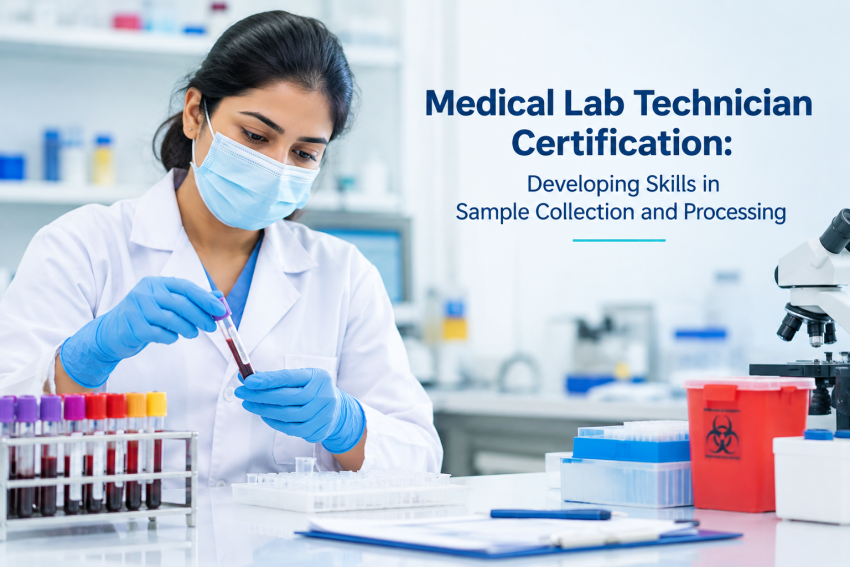
Laboratory testing is dependent upon the quality of the samples received for testing. Reliable results are impossible to obtain from even the most sophisticated laboratory equipment if specimens are not properly collected, labeled, stored or transported. This is why sample collection and sample processing are crucial to professional laboratory training. A medical lab technician certification could be beneficial to students in acquiring the skills and technical knowledge needed to ensure that specimens are handled properly and laboratory procedures are followed.
Students will Learn About Proper Sample Collection Techniques.
One of the initial steps in laboratory testing is the collection of samples. Technicians can analyze blood, urine, stool, sputum and biological samples in general, depending on the investigation. A particular sample collection method, sample container and handling procedure may be required for each type of sample.
In professional training, the students are taught how to prepare collection materials, hygiene and safety procedures and how to handle specimens appropriately. They also gain an understanding of the significance of proper collection methods for sample quality and minimizing contamination risk.
To Comprehend Patient and/or Sample Identification
Throughout the process of the laboratory, it is crucial to have an accurate identification. Samples need to be properly associated with the right patient and test request. Issues in the identification or labelling can impact the testing process, and may cause severe risks to patient care.
Training may help students become familiar with methods for confirming patient information, identify specimen identification and appropriate documentation. These practices are useful for attention to detail, a skill important for lab workers.
Practice and develop Sample Processing Skills
Many of the specimens need to be processed before they can be analysed after they have been collected. These may include procedures including centrifugation, separation, sample preparation or transfer of samples to appropriate containers depending on the test performed.
Medical lab technician certification programs can help provide hands-on experience in these processes. Students are taught about the various samples they will deal with and the need for the processing conditions to be controlled. Adhering to standard procedures will help to ensure specimen integrity and reliable laboratory analysis.
After Storage and Transportation Procedures
Only a subset of samples is tested as soon as they are collected. Specimens may require storage or transport prior to analysis for some specimens. Handling requirements include other factors such as temperature, timing, container selection, that may be different for different specimens and investigations.
Training allows students to know the importance of procedure for storage and transportation in the laboratory. When samples are handled properly, the possibility of deterioration and the suitability of the specimen for testing is minimized.
Maintaining Laboratory Safety
Safety is an important component of laboratory work when handling laboratory samples that contain biological materials. Students are taught about waste disposal, personal protective equipment, hand hygiene and how to minimise risk of exposure.
A medical laboratory technician certificate may also bring the students’ attention to the significance of biosafety procedures and clean work surface. These practices ensure the safety of laboratory staff and aid in the safe handling of patient specimens.
Reliability of Training in Practical Construction
Consistency, concentration and care are of paramount importance when collecting and processing samples. Practical training provides students with opportunities to practice and develop these skills while supervised and provides opportunities to understand how classroom concepts are used in laboratory work.
A good training programme is a blend of theory and practice so that students get to know the practice in routine procedures. This preparation is helpful when they start their jobs in the hospitals, diagnostic centres or clinical laboratories.
In conclusion, a critical component of laboratory testing is sample collection and processing. Through education and practical experience, medical lab technician certification is capable of ensuring that learners gain skills on how to handle specimens appropriately, follow safety procedures, and be part of diagnostic laboratory work.