
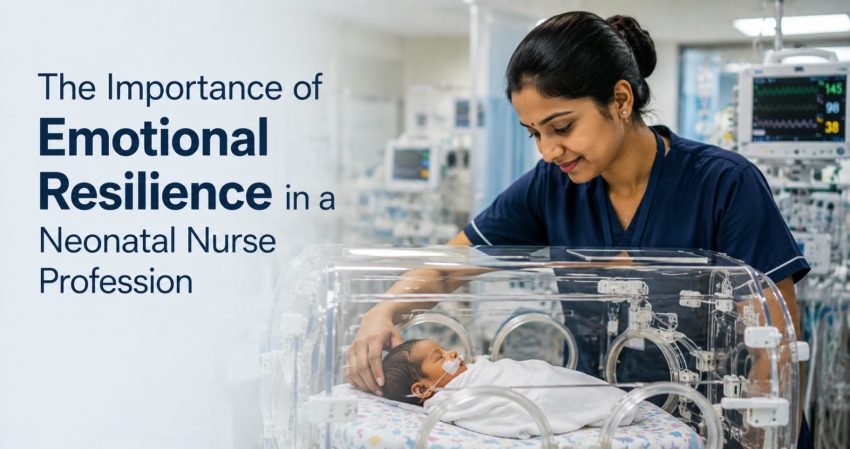
Working in neonatal care is both rewarding and emotionally demanding. Healthcare professionals in neonatal intensive care units are responsible for caring for premature babies, critically ill newborns, and infants requiring constant medical attention. In such high-pressure environments, emotional resilience becomes an essential quality for every Neonatal Nurse.
Emotional resilience refers to the ability to manage stress, remain calm during difficult situations, and recover from emotionally challenging experiences. Since neonatal nurse interact closely with vulnerable infants and anxious families, maintaining emotional strength is critical for delivering compassionate and effective care.
Handling High-Stress Situations
The Neonatal Nurse typically operates in high-speed and highly emotional medical surroundings. Emergencies, complicated procedures, and unexpected changes in the patient’s health status may arise anytime. In this regard, nurses should be able to take prompt actions while staying calm.
Otherwise, the extended experience of stress may have negative impacts on their mental state and result in exhaustion, burnout, or dissatisfaction with their occupation. Moreover, emotionally strong nurses have more chances to deal with stressful situations while retaining their professional and high level of work.
Their ability to stay calm under pressure also helps create a more stable and reassuring environment for both families and medical teams.
Supporting Families During Difficult Times
Parents of infants who have been placed in a NICU tend to go through a number of fears and emotional concerns. The role of the empathic Neonatal Nurse becomes highly important when providing guidance at such times.
Being able to exhibit emotional strength helps nurses to be able to interact with parents while regulating themselves emotionally. While being empathic to the concerns of the family, nurses do not need to get emotionally involved in everything they come across.
Through emotional regulation, nurses are better positioned to offer advice and help parents feel assured about their infants’ treatment.
Improving Quality of Patient Care
Emotional resilience affects the quality of healthcare services provided in neonatal units. A calm and resilient Neonatal Nurse is more likely to execute all activities properly, interact well with other colleagues, and handle emergencies competently.
Continuous monitoring, proper drug administration, and observing the baby’s health status are among the essential activities conducted in neonatal care. Emotional fatigue can negatively influence one’s ability to concentrate and make decisions, potentially compromising patient safety.
Emotionally resilient nurses have better chances of handling their workloads effectively while ensuring that they provide accurate care to each baby they are taking care of.
Building Long-Term Career Sustainability
The profession of neonatal nursing can be extremely emotionally draining. Nurses have to see many stressful scenarios, recovery processes, and even losses and deaths. Emotional resilience becomes an asset for professionals who want to sustain their mental health and keep working in the industry.
A person with high emotional resilience will be better able to cope with stress, manage the job’s emotional burden, and remain optimistic. Today, hospitals and other healthcare facilities understand the significance of providing nurses with programs that develop emotional well-being.
These support systems help nurses strengthen coping mechanisms and maintain long-term career satisfaction in demanding healthcare environments.
Encouraging Team Collaboration
Neonatal intensive care units require teamwork in their operations. Nursing professionals must cooperate with physicians, respiratory therapists, technicians, and other support staff members to provide the best results possible to the newborns. Emotionally resilient nurses have better communications skills and foster healthy working relationships among employees.
An emotionally resilient Neonatal Nurse will work more collaboratively with other professionals, resolve interpersonal disputes, and promote good relations in the healthcare facility. Ultimately, efficient teamwork leads to improved patient outcomes and an encouraging work environment within the NICU.
Conclusion
Emotional resilience is a critical attribute in neonatal nursing since it plays a significant role in enhancing professionalism and personal development. The attribute touches every aspect of neonatal nursing from coping with stressful clinical situations, offering comfort to the parents, and promoting teamwork.
As the demands of healthcare continue to grow, the role of the Neonatal Nurse remains essential in ensuring compassionate, high-quality care for vulnerable newborns. Developing emotional strength not only benefits nurses themselves but also improves outcomes for infants and families alike.