
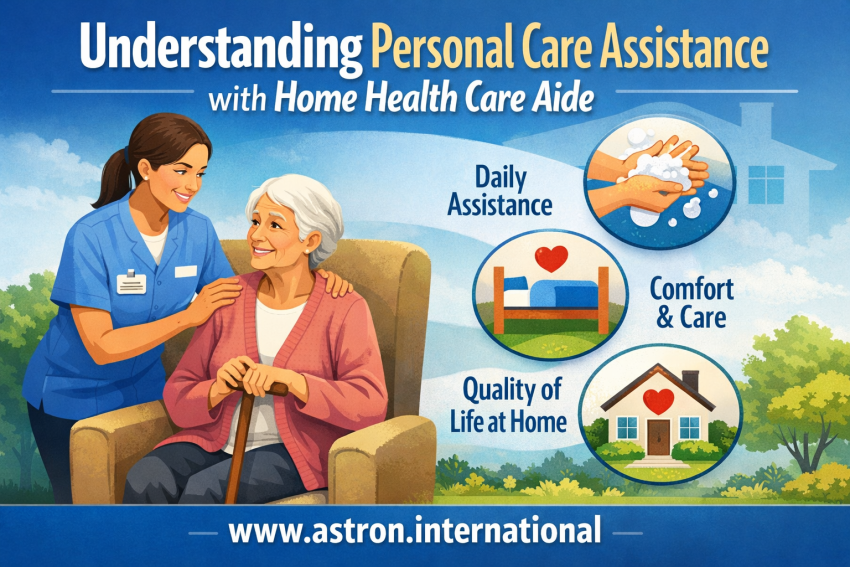
In today’s fast-paced world, many families are seeking compassionate and reliable support for their loved ones who require daily assistance. Personal care services provided by a Home Health Care Aide have become an essential part of modern healthcare, especially for the elderly, individuals with disabilities, or those recovering from illness or surgery. These professionals ensure comfort, dignity, and improved quality of life within the familiar environment of home.
What is a Home Health Care Aide?
A Home Health Care Aide is a trained caregiver who provides non-medical support to individuals who need help with everyday activities. Their primary focus is to assist patients in maintaining independence while ensuring safety and well-being. Unlike clinical professionals, they do not perform complex medical procedures but play a crucial role in day-to-day personal care.
Key Responsibilities in Personal Care Assistance
One of the most important duties of a Home Health Care Aide is assisting with personal hygiene. This includes helping with bathing, grooming, dressing, and toileting. These tasks may seem simple, but they are vital for maintaining a person’s dignity and preventing infections or health complications.
In addition, they help with mobility and physical support. Whether it’s assisting a patient to walk, move from bed to chair, or perform light exercises, their support reduces the risk of falls and injuries. They also ensure that the patient follows a proper daily routine, which contributes to physical and mental stability.
Emotional and Companionship Support
Beyond physical assistance, a Home Health Care Aide provides emotional support and companionship. Many individuals receiving home care often experience loneliness or isolation. A compassionate aide offers conversation, engagement in activities, and a reassuring presence that enhances emotional well-being.
This human connection is especially important for elderly patients, as it helps reduce stress, anxiety, and even symptoms of depression. The bond formed between the caregiver and the patient often becomes a source of comfort and trust.
Assistance with Daily Living Activities
Another significant aspect of personal care assistance involves supporting daily living activities. A Home Health Care Aide may help with meal preparation, feeding, medication reminders, and light housekeeping tasks. These services ensure that the patient’s living environment remains clean, organized, and conducive to good health.
They may also accompany patients to medical appointments or assist with basic errands, making daily life more manageable for both patients and their families.
Importance in Modern Healthcare
The role of a Home Health Care Aide has gained increasing importance as more people prefer home-based care over institutional settings. It not only reduces the burden on hospitals but also allows patients to recover or age comfortably in their own homes.
Their presence provides peace of mind to family members, knowing that their loved ones are receiving attentive and personalized care. Moreover, home care services are often more cost-effective while still delivering high-quality support.
Conclusion
Personal care assistance through a Home Health Care Aide is a valuable service that enhances the quality of life for individuals in need. By addressing physical, emotional, and daily living needs, these caregivers play a vital role in modern healthcare. Their dedication and compassion make a meaningful difference, ensuring that patients receive the care and respect they deserve in the comfort of their homes.